
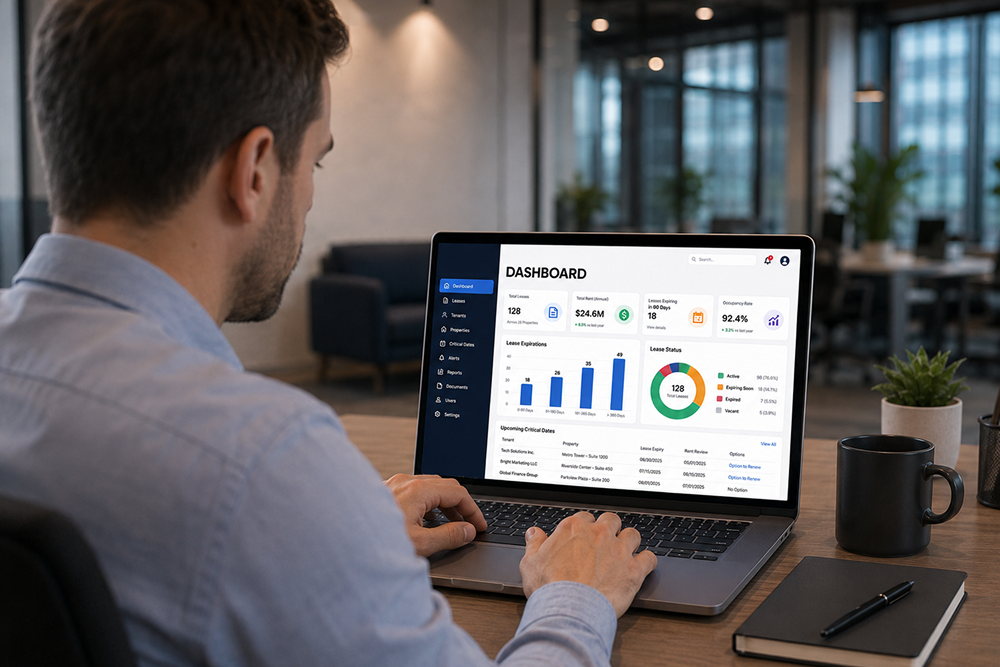
Tenant retention has become one of the most important priorities in commercial real estate. While acquiring new tenants remains essential for portfolio growth, retaining existing occupiers often delivers greater long-term value through stable occupancy, reduced vacancy periods, and lower leasing costs.
As tenant priorities continue to shift, landlords and real estate teams are focusing more on operational efficiency, proactive communication, and stronger lease management practices. In this environment, lease portfolio visibility is critical to improving tenant retention strategies.
Why Tenant Retention Matters?
Retaining tenants is often more cost-effective than acquiring new ones. Vacancies can lead to revenue loss, additional marketing expenses, fit-out costs, and prolonged negotiation cycles. Long-term tenants, on the other hand, contribute to occupancy stability and help improve overall asset performance.
However, tenant retention today goes beyond offering competitive rental rates. Businesses expect flexibility, faster issue resolution, transparent communication, and smoother lease management processes throughout the tenancy lifecycle.
Without proper visibility into lease agreements, renewal timelines, escalation schedules, and tenant obligations, property owners and managers may struggle to maintain consistent tenant engagement.
The Visibility Challenge in Lease Management
For organizations managing multiple properties or large lease portfolios, lease-related information is often spread across spreadsheets, emails, shared drives, and disconnected teams. This fragmented approach can create operational inefficiencies and increase the risk of missed renewal opportunities or delayed responses.
Limited visibility into lease data can lead to:
- Missed renewal and negotiation timelines
- Delayed response to tenant concerns
- Inconsistent communication across properties
- Difficulty tracking occupancy trends and tenant performance
- Reduced ability to forecast future leasing requirements
Over time, these gaps can negatively impact tenant satisfaction and increase the likelihood of tenant turnover.
How Better Lease Portfolio Visibility Improves Retention
Centralized lease visibility enables organizations to manage tenant relationships more proactively and efficiently. When lease agreements, financial obligations, critical dates, and occupancy data are accessible from a single platform, real estate teams can make faster and more informed decisions.
- Better visibility helps businesses:
- Monitor lease expirations and renewal opportunities in advance
- Improve communication and response times with tenants
- Track occupancy patterns and space utilization
- Identify potential risks before they affect tenant relationships
- Streamline lease administration and reduce operational delays.
This proactive approach strengthens tenant confidence and creates a more seamless leasing experience.
Technology and Data-Driven Lease Management
As lease portfolios continue to expand, manual tracking methods become increasingly difficult to manage. Modern lease management platforms provide real-time access to lease data, automated alerts, reporting tools, and portfolio analytics that help organizations improve operational control.
By leveraging technology, property owners and managers can gain deeper insights into tenant activity, occupancy trends, and lease performance while minimizing administrative inefficiencies. This not only supports better tenant experiences but also improves portfolio planning and long-term asset management.
How CRE Lease Matrix Supports Tenant Retention
CRE Lease Matrix helps organizations improve tenant retention through centralized lease portfolio visibility and smarter lease management. By consolidating lease agreements, tracking critical milestones, monitoring financial obligations, and providing portfolio-level analytics, the platform enables businesses to manage tenant relationships more effectively and proactively. With better visibility into lease operations and tenant activity, organizations can reduce operational gaps, improve communication, and build stronger long-term tenant relationships.
Turn lease data into stronger tenant retention strategies with CRE Lease Matrix.