
Many organizations approach a lease audit expecting a routine review, only to uncover billing inaccuracies, missed escalations, and compliance gaps buried within their lease portfolio. What begins as a simple exercise in verification often becomes an opportunity to identify cost savings, improve compliance, and gain greater control over real estate operations.
A corporate occupier once reviewed its commercial leases, expecting a routine compliance check. Instead, the audit uncovered discrepancies in escalation calculations, incorrect CAM charges, and payments that did not fully align with the agreed lease terms. What appeared to be small inconsistencies across individual properties had accumulated into a significant cost impact for the organization.
This is a common challenge for businesses managing large real estate portfolios. With complex lease structures, multiple amendments, changing rent schedules, and numerous operational responsibilities, keeping track of every detail can become increasingly difficult.
Why Lease Audits Matter
Lease audits help verify whether lease agreements, payment records, financial statements, and accounting treatments accurately reflect contractual obligations. Auditors typically review lease commencement and expiry dates, rent schedules, escalation clauses, security deposits, renewal options, maintenance charges, and any amendments made during the lease term. When lease information is incomplete or outdated, organizations may face reporting inaccuracies, compliance issues, or unnecessary delays during the audit process.
How to Prepare for a Lease Audit?
Preparing for a lease audit requires more than simply gathering documents. It involves ensuring that lease data is accurate, financial records are up to date, and key obligations are clearly understood across the portfolio. A structured approach can help corporate occupiers identify discrepancies faster, improve compliance, and streamline the entire audit process. Here’s how:
Centralize Lease Documentation
One of the most common challenges during lease audits is retrieving complete and accurate lease documents. Lease agreements, amendments, renewal letters, notices, and supporting records are often scattered across different departments or stored in multiple locations.
Centralizing all lease documentation in a single digital repository creates a reliable source of truth, making it easier to provide auditors with complete records while reducing the time spent searching for critical information.
Review Key Lease Clauses Before the Audit
Before beginning an audit, occupiers should thoroughly review critical lease clauses that impact financial and operational commitments. These include rent escalation terms, lock-in periods, renewal rights, termination conditions, security deposit requirements, CAM provisions, and maintenance responsibilities.
Understanding these clauses allows businesses to compare contractual commitments with actual payments and identify potential gaps. Regular review of lease terms also helps occupiers prepare for upcoming renewals, negotiations, and portfolio decisions.
Verify Rent Payments and Escalation Calculations
Incorrect rent calculations are among the most common issues discovered during lease audits. Corporate occupiers should compare rental payments against agreed lease terms to confirm that base rent, escalation percentages, effective dates, and additional charges have been applied correctly.
Lease audits can help identify instances where escalations have been implemented incorrectly, rent-free periods have not been accounted for, or additional charges have been applied without contractual justification. Maintaining accurate rent records ensures better cost control and reduces the risk of overpayment.
Review CAM Charges and Operating Expenses
Common Area Maintenance (CAM) charges and operating expenses often require detailed examination due to their complex nature. Occupiers should verify whether these charges align with the lease agreement and whether only permissible expenses have been included.
A thorough CAM audit involves reviewing expense statements, checking supporting documents, and ensuring that excluded costs are not passed on to tenants. This process helps businesses identify discrepancies, improve transparency, and ensure they are paying only their contractual share of operating expenses.
Strengthen Lease Compliance
Compliance with the lease accounting standards requires organizations to maintain accurate lease accounting records throughout the year rather than only during audit periods.
Regularly reviewing right-of-use assets, lease liabilities, discount rates, and accounting adjustments following lease modifications helps ensure financial statements remain accurate. Well-maintained lease accounting records significantly reduce audit queries and simplify financial reporting.
Perform Internal Lease Reviews Regularly
Preparing for lease audits should be an ongoing process rather than a last-minute exercise. Conducting regular internal lease reviews helps identify missing documents, outdated rent schedules, unrecorded amendments, expired leases, and data inconsistencies before they become audit concerns.
Proactive reviews reduce compliance risks while improving the overall quality of lease information available to finance, legal, and real estate teams.
How CRE Lease Matrix Helps Organizations Stay Audit-Ready
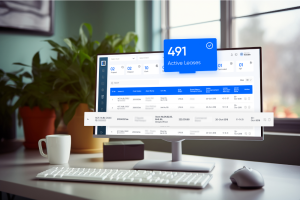
Preparing for lease audits becomes significantly easier when lease information is centralized, standardized, and continuously maintained. CRE Lease Matrix provides organizations with a single platform to manage lease documents, monitor critical dates, track financial obligations, and maintain structured lease records that are always audit-ready.
With audit-ready reports, organizations can quickly access key lease insights, review critical obligations, validate financial data, and streamline information sharing during audits. These reports help teams reduce manual effort, improve accuracy, and ensure they have the right information available whenever required.
By reducing dependence on manual spreadsheets and fragmented document storage, businesses can improve compliance, accelerate audit preparation, and gain complete visibility across their lease portfolio. Whether managing dozens or thousands of leases, having accurate and accessible lease data enables corporate occupiers to approach every audit with greater confidence and operational efficiency.
Don’t wait for an audit to uncover lease discrepancies. Stay compliant, organized, and audit-ready with CRE Lease Matrix. Book a demo. Book a demo today.