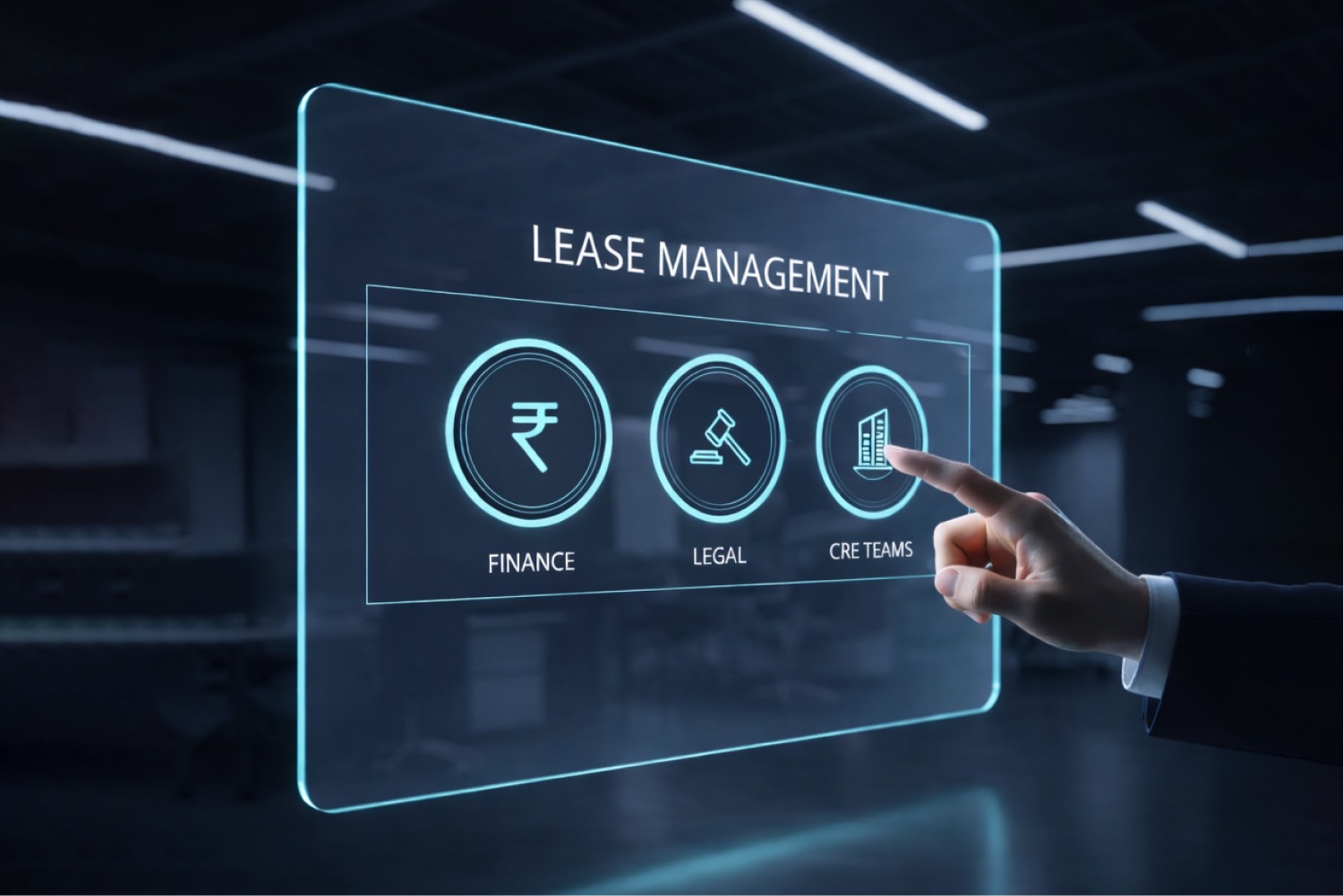
Lease portfolios are becoming increasingly complicated as firms diversify across locations, asset kinds, and operational strategies, yet many continue to manage lease data individually across Finance, Legal, and Real Estate. This fragmented approach makes it harder to maintain visibility, increases the risk of missed obligations, and slows decision-making. Organizations that switch to a single lease management platform gain a shared source of truth that improves collaboration, strengthens governance, and provides clearer insight into costs and commitments. With better access to reliable data, teams can operate more efficiently, align priorities, and make more confident, strategic portfolio decisions.
The Challenge of Disconnected Lease Data
Inconsistencies are unavoidable when data is dispersed over different spreadsheets and technologies. Different teams may use different versions of crucial dates, payment schedules, and contractual duties. Over time, this divergence causes reconciliation challenges, delayed reporting, and ambiguity about the organization’s true lease exposure. A centralized platform closes these gaps by providing a single source of truth that everyone can trust.
How Finance Gains More Control?
A unified technology assists finance teams in transitioning lease management from a manual, reactive technique to a systematic and transparent approach. With trustworthy, real-time data, businesses can generate compliance financial reports more efficiently while also improving their understanding of obligations and cash flows. This degree of data improves forecasts and enables more confident budget decisions across the firm.
How Legal Teams/ Business Strengthens Governance?
Legal teams benefit from having all leases, amendments, and obligations in a single, searchable location. Instead of tracking critical phrases in many documents, they can confidently manage commitments and timetables. This visibility minimizes the chance of missing obligations and allows Legal to take a more proactive role in risk management and negotiations.
How CRE Teams Make Smarter Portfolio Decisions?
Access to reliable leasing insights allows Real Estate and Facilities professionals to manage their operations more strategically. Understanding occupancy costs, crucial dates, and portfolio performance allows teams to better match space decisions with business objectives. With additional data at their disposal, businesses can better forecast renewals, support expansion plans, and manage the overall footprint.
Power of Cross-Functional Alignment
When all three teams (Finance, Legal, Real Estate) use the same data, collaboration accelerates and decisions become more reliable. Leadership gains a deeper understanding of the portfolio, enabling them to effectively manage cost, risk, and growth priorities.
Adopting a unified platform enables a more transparent and agile approach to lease management, allowing firms to run more efficiently and make smarter long-term decisions.
How CRE Lease Matrix Brings It All Together?
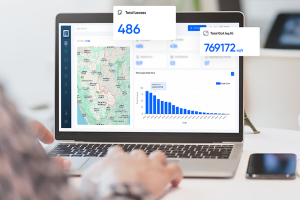
A purpose-built platform, such as CRE Lease Matrix, centralizes lease data, documents, and workflows into a single environment designed for seamless collaboration. By integrating lease accounting automation, real-time contract visibility, and portfolio analytics, it removes manual inefficiencies and provides a clear, reliable view of obligations and performance. This enables Finance, Legal, and Real Estate teams to work from the same data foundation while maintaining the controls and governance each function requires, leading to faster decisions, stronger compliance, and more strategic portfolio management.
Elevate your lease operations with greater visibility and control. Unite your lease data and teams on one platform. Book a demo now!