
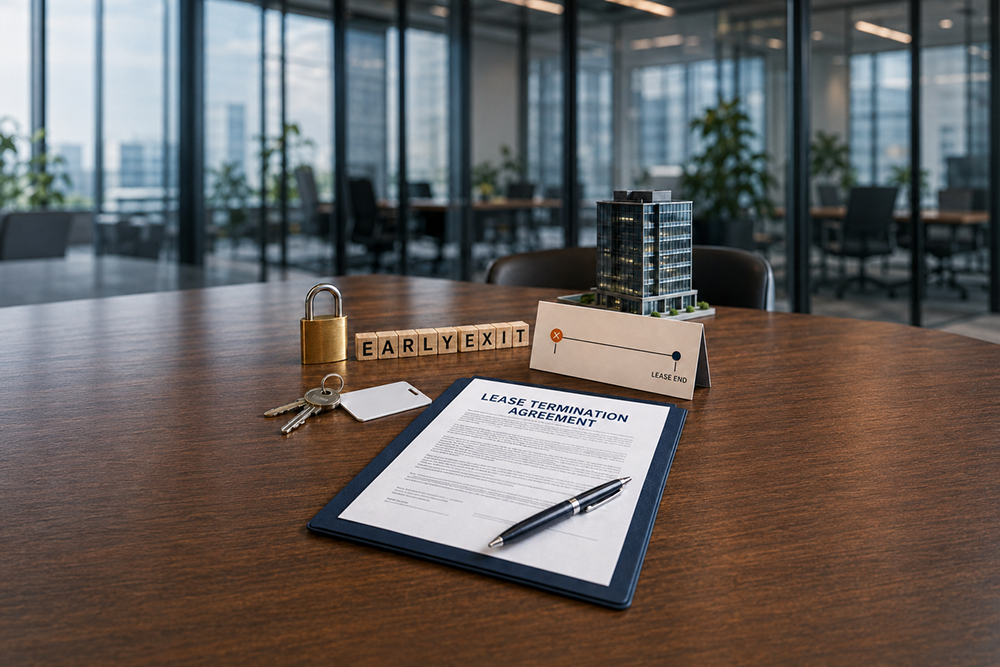
A business may need to leave a commercial property before the lease ends. The reasons can include relocation, downsizing, business closure, or changing space requirements. However, moving out of the property does not always mean the lease has ended.
A commercial lease is a binding agreement between the tenant and the landlord. Therefore, an early exit usually requires the tenant to follow specific terms. These may include notice requirements, lock-in periods, pending payments, or other agreed conditions.
The process can vary from one lease to another. Therefore, businesses should understand their options before making an exit decision. A clear review can help avoid unexpected costs, disputes, and delays.
What Does Leaving a Commercial Lease Early Mean?
Leaving a commercial lease early means vacating the property before the agreed lease expiry date. However, physically leaving the space may not end the tenant’s contractual obligations. The lease may continue until both parties complete the required process.
This is why commercial lease early termination requires careful planning. The tenant may have an existing right to terminate the lease. In other cases, the tenant may need to negotiate an exit with the landlord.
The first step is always to understand the agreement. Important dates, obligations, and exit options should be reviewed carefully. This gives the tenant a clearer picture before taking further action.
What Should a Tenant Check Before Leaving a Commercial Lease?
Before leaving a commercial property, a tenant should review several important parts of the lease. These details can affect the timing and cost of the exit. They can also determine whether an early exit is possible.
A proper review helps businesses avoid making decisions based on incomplete information. It also gives finance, legal, and operations teams time to prepare. The following areas usually need close attention.
Review the Lease Agreement
The lease agreement should be the starting point for any early exit decision. It explains the lease term, expiry date, termination rights, and other important obligations. Tenants should also check payment, restoration, and notice requirements. A clear review helps avoid surprises during the commercial lease early termination process.
Check the Lock-In Period
Some commercial leases include a lock-in period that can limit early exit options. Leaving during this period may create additional financial obligations, depending on the agreement. Therefore, tenants should confirm whether the lock-in period is still active. Tracking the end date can also help businesses plan their exit better.
Understand the Notice Requirements
The lease agreement usually defines how much notice a tenant must provide. It may also specify the format and method for submitting the notice. Missing the deadline can affect the planned exit or create additional obligations. Therefore, businesses should track notice dates well before making an exit decision.
Check the Early Termination Option
Some leases include an option that allows tenants to leave before expiry. However, this option may come with conditions, such as notice requirements or pending payments. The exact process depends on the lease agreement and agreed terms. Therefore, tenants should confirm all requirements before starting the exit process.
What Are the Options for Leaving a Commercial Lease Early?
A tenant may have more than one option when leaving early. The available option usually depends on the lease terms and the situation. Some options may require landlord approval or a separate agreement.
The right choice depends on the tenant’s business needs and obligations. Therefore, businesses should understand each option before deciding. The three common approaches are discussed below.
Negotiate an Early Exit
If the lease does not provide a clear exit option, the tenant can negotiate with the landlord. Both parties may agree on an earlier termination date and decide how pending obligations will be handled. The final agreement may cover rent, maintenance charges, restoration work, and other payments. Once agreed, the terms should be properly documented to avoid confusion later.
Consider Lease Assignment
Lease assignment may allow the tenant to transfer its lease interest to another party. However, the lease agreement may require landlord approval, and the original tenant may still have certain responsibilities. The exact process depends on how the assignment is structured. Therefore, businesses should review the agreement and understand the approval requirements before proceeding.
Consider Subleasing the Property
Subleasing can allow another business to use all or part of the property. However, the original tenant may still remain responsible under the main lease. The lease may also require landlord approval and place restrictions on how the property can be used. Therefore, tenants should review these requirements carefully before choosing this option.
Leaving a property does not always end the tenant’s financial obligations. Depending on the lease terms, the tenant may still need to settle:
- Outstanding rent and maintenance charges
- Security deposit adjustments
- Restoration or repair costs
- Agreed termination payments
Reviewing these terms before finalizing the exit helps businesses understand their potential costs and avoid unexpected liabilities.
How Should a Commercial Tenant Complete the Exit Process?
Once the tenant decides to leave, the exit process should be properly managed. This process can involve notice, payments, documentation, and property handover. Each step should follow the requirements of the lease agreement.
A structured process can help avoid missed tasks and delays. It also gives different teams a clearer view of their responsibilities. The following steps can help businesses manage the exit more effectively.
Give the Required Notice
The tenant should provide notice according to the lease requirements. The agreement may define the notice period, delivery method, and recipient. Businesses should keep a record of the submitted notice for future reference. Missing a deadline can affect the planned exit, especially when managing multiple leases.
Complete Pending Obligations
Before leaving, the tenant should review all pending obligations under the lease. This may include rent, maintenance charges, restoration work, or other agreed payments. Identifying these requirements early gives teams enough time to complete them. A clear checklist can also help avoid last-minute issues during the exit.
Complete the Property Handover
Property handover should follow the requirements mentioned in the lease agreement. The tenant may need to return keys, access credentials, and other property-related items. Some leases may also require repairs or restoration before handover. Keeping clear records can help confirm that all required actions were completed.
Keep Exit Documents and Records
An early lease exit can involve notices, approvals, settlement records, and handover documents. Keeping these records organized makes future reviews easier and reduces confusion between teams. However, managing documents across multiple properties can become difficult. Centralized lease records can improve visibility and support better lease decisions.
Why Is Early Lease Exit Harder Across Multiple Locations?
Managing lease exits across multiple locations can quickly become complex. Each property may have different expiry dates, notice periods, lock-in terms, and financial obligations, making manual tracking difficult.
With lease information spread across documents and systems, missed deadlines or incomplete records can delay decisions. Portfolio-level visibility helps teams track critical lease events and plan exits more efficiently.
How CRE Lease Matrix Helps Businesses Manage Critical Lease Events
An early lease exit can become complicated when critical clauses and dates are buried in lengthy agreements. CRE Lease Matrix helps businesses centralize important lease information in one platform. Teams can maintain visibility into lease dates, obligations, documents, and other critical events. This reduces the need to search through scattered spreadsheets and files.
For businesses managing multiple locations, centralized information can improve coordination. Teams can track important dates and access relevant lease records when needed. Finance, legal, and operations teams can also work with better visibility.
This can help businesses prepare for important lease decisions earlier. Whether a lease is approaching expiry or a tenant is planning an early exit, having organized information can make the process easier to manage.
Before you exit a commercial property, make sure you know your notice period, lock-in obligations, payments, and termination terms. CRE Lease Matrix helps you keep critical lease information organized and accessible. Book a demo!