A lease can look perfectly organized on paper, yet one missed date, overlooked clause, or incorrect charge can quickly turn into an expensive problem.
Imagine your next lease review is approaching. Rent is being paid on time, but then you discover that an escalation was missed, an insurance certificate has expired, or a renewal notice period is only weeks away. These may seem like small oversights, but across a large commercial lease portfolio, they can add up to significant financial and operational risk.
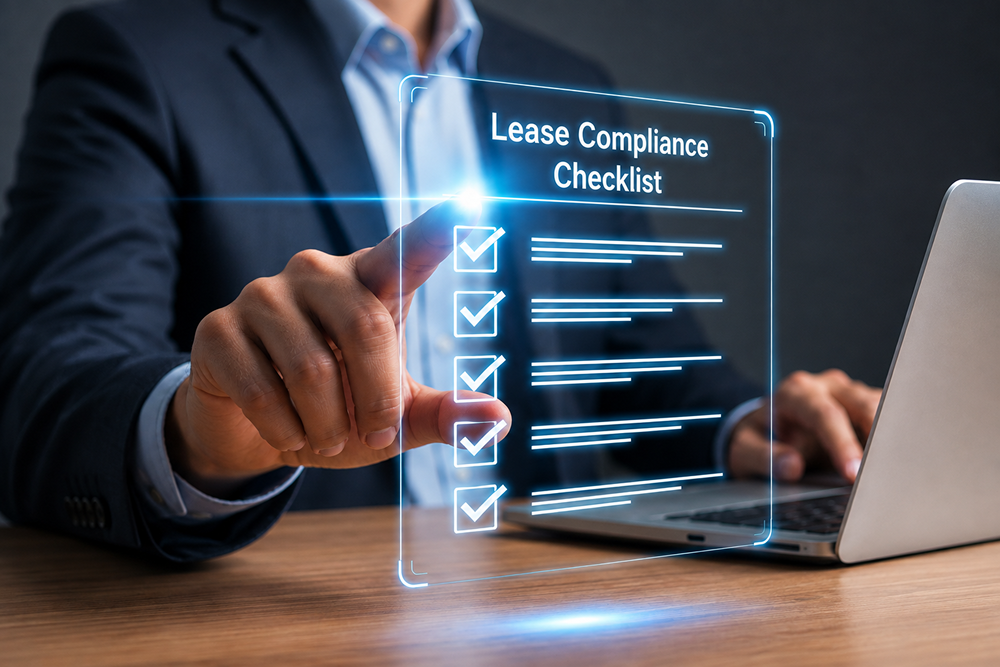
That is why lease compliance needs to be an ongoing process, not something businesses check only when a review is due. A practical lease compliance checklist can help teams identify gaps early, stay ahead of critical dates, and ensure every lease obligation is being tracked.
Why Lease Compliance Matters for Businesses
Lease agreements contain several financial, operational, and contractual obligations. These can include rent payments, lease renewal, escalations, security deposits, maintenance duties, insurance, and notice periods. Missing an important requirement can create financial losses, disputes, or operational issues.
For businesses managing multiple locations, accurate lease data becomes even more important. A structured lease compliance process gives teams better visibility into lease renewal agreements, rent obligations, and critical dates. It also supports efficient lease administration and better lease portfolio management.
10 Critical Steps for Better Lease Compliance
Lease compliance involves keeping track of several important terms, dates, payments, and responsibilities. These 10 steps can help businesses stay on top of their lease obligations and avoid costly mistakes.
1. Review All Lease Terms
Identify financial, operational, and contractual obligations from every lease agreement. Highlight terms that require action during the lease lifecycle.
2. Record Expiry and Renewal Dates
Capture lease expiry, lease renewal, lock-in, and notice periods in one schedule. Early planning gives teams time to negotiate or make informed renewal decisions.
3. Verify Rent Escalations
Check rent escalation percentages, effective dates, and revised rental amounts. Also review the escalation clause in the rent agreement to ensure the revised amount follows the agreed terms.
4. Reconcile Payment Obligations
Compare rent, maintenance charges, taxes, and other payments with agreed lease terms. Regular reconciliation helps identify payment gaps before they become larger issues.
5. Track Security Deposit Commitments
Record deposit amounts, payment dates, adjustments, and refund conditions. This gives finance teams better control over deposit-related obligations.
6. Capture Lease Amendments
Document extensions, modifications, area changes, and other amendments to existing agreements. Updated terms help teams avoid decisions based on outdated lease information.
7. Clarify Maintenance Responsibilities
Identify responsibilities for repairs, maintenance, utilities, and property-related expenses. Clear ownership can reduce disputes and improve cost control.
8. Verify Insurance and Regulatory Requirements
Review insurance clauses, certificates, approvals, and applicable compliance requirements. Timely checks can help businesses avoid penalties and contractual issues.
9. Organize Lease Documentation
Keep agreements, lease renewal agreements, amendments, notices, payment records, and supporting documents accessible. Well-organized records make audits, reviews, and negotiations easier.
10. Preserve a Clear Audit Trail
Record significant lease changes, transactions, approvals, and actions. A reliable history improves transparency and supports future audits and reviews.
How to Prepare for a Lease Compliance Review
Before a lease review, businesses should ensure that all relevant lease data, documents, financial records, and critical dates are up to date. A structured review process makes it easier to identify missing information, verify contractual obligations, and address potential compliance gaps before they become issues.
Start by gathering the latest lease agreements and amendments, then verify key dates, rental amounts, escalation schedules, security deposits, maintenance obligations, insurance requirements, and renewal conditions. Cross-checking these details against actual payments and property records can also help identify discrepancies.
It is equally important to assign ownership for each compliance requirement. When responsibilities are clearly defined and upcoming actions are tracked, teams can respond faster and reduce the risk of important obligations being overlooked.
A well-prepared compliance review not only improves accuracy but also gives businesses a clearer picture of what needs attention across the entire lease portfolio.
How CRE Lease Matrix Helps with Lease Compliance
Managing these requirements across multiple properties becomes difficult with spreadsheets, emails, and scattered documents. CRE Lease Matrix brings lease information into one centralized platform, giving teams visibility into critical dates, financial obligations, documents, and lease terms through lease management software.
Automated alerts help teams stay ahead of expiries, lease renewals, rent escalations, security deposits, and other key obligations. This can be especially useful when businesses have multiple locations and need to manage automatic lease renewal reminders without relying entirely on manual tracking.
CRE Lease Matrix also supports lease accounting and compliance requirements, helping businesses manage lease obligations with greater accuracy and visibility. Reporting and portfolio-level insights allow teams to review lease information, understand financial trends, and make better decisions. These insights also help businesses stay organized and improve overall lease portfolio management.
Don’t wait for the next missed escalation or renewal notice to expose a gap in your lease portfolio.