As commercial real estate strategies continue to evolve, lease occupancy costs are becoming an increasingly important metric for businesses aiming to improve efficiency and manage real estate expenditure more effectively. While rent often receives the most attention, the true cost of occupying a space extends far beyond monthly lease payments. Maintenance charges, utilities, taxes, insurance, facility management, and other operational expenses all contribute to the overall occupancy cost, making it essential for organizations to monitor these expenses with precision.
Understanding Lease Occupancy Costs
Lease occupancy costs represent the total financial commitment associated with occupying and operating a leased property. For businesses managing multiple offices, retail outlets, warehouses, or industrial facilities, these costs can account for a substantial portion of operating expenditure.
What makes occupancy costs particularly challenging is that many of these expenses evolve. Rental escalations, changing utility consumption, maintenance requirements, and contractual obligations can gradually increase costs if not actively monitored. Without clear visibility, organizations often end up paying for underutilized space or absorbing avoidable cost increases.
What Lease Occupancy Costs Include?
Occupancy costs can vary by lease structure and tenant requirements, but they typically include:
- Base Rent: The primary rent paid for occupying the space, usually calculated per square foot.
- Property Taxes: A tenant’s share of taxes associated with the property, often based on occupied area.
- Property Insurance: Shared insurance costs that protect the property against potential risks.
- Utilities: Expenses for electricity, water, HVAC, and other utility services.
- Common Area Maintenance (CAM): Costs related to maintaining shared spaces such as lobbies, elevators, parking areas, and hallways.
- Tenant Improvements (TI): Costs for customizing or upgrading the leased space before occupancy.
Why Lease Occupancy Costs Need Strategic Attention?
As business expansion, operational restructuring, and portfolio optimization continue to reshape commercial real estate decisions, companies are placing greater focus on how efficiently their leased spaces are being utilized. High occupancy costs tied to underutilized assets or inefficient space planning can directly affect overall business performance and profitability.
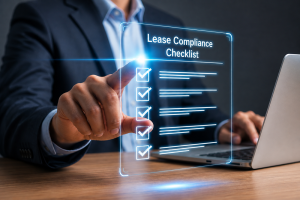
At the same time, lease agreements often include escalation clauses, renewal timelines, maintenance obligations, and other financial commitments that can significantly impact long-term occupancy expenses. Missing critical lease milestones can reduce negotiation flexibility and increase cost exposure over time.
As a result, occupancy cost management is no longer viewed solely as a finance or administrative function. It has become a strategic priority for organizations seeking greater cost control, operational efficiency, and long-term portfolio optimization.
Turning Lease Data Into Cost Intelligence
Effective occupancy cost management begins with centralized lease visibility. When lease agreements, rent schedules, operating expenses, and critical dates are stored across spreadsheets, emails, or disconnected teams, identifying cost inefficiencies becomes difficult.
A centralized lease management approach gives decision-makers a unified view of lease obligations, escalation schedules, payment commitments, and portfolio-wide occupancy trends. This visibility allows organizations to forecast costs more accurately, identify anomalies early, and make informed real estate decisions.
Using Technology for Smarter Occupancy Cost Management
As lease portfolios grow, manual tracking becomes increasingly difficult. Lease management technology helps automate critical processes such as rent escalation tracking, renewal alerts, expense monitoring, and financial reporting.
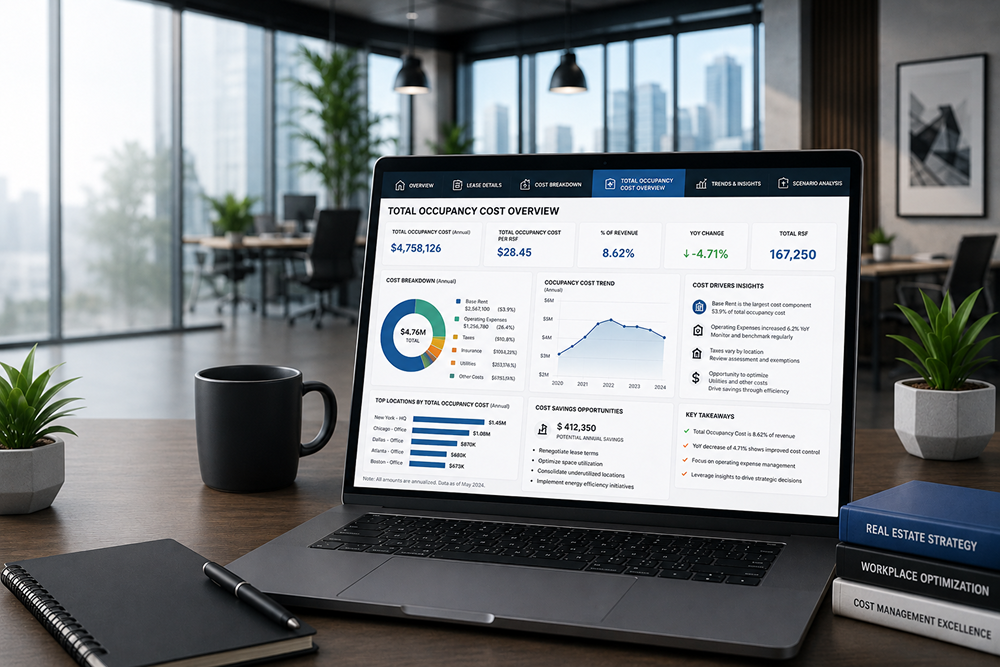
With real-time dashboards and portfolio analytics, businesses can quickly identify underperforming assets, monitor cost trends, and improve forecasting accuracy. This not only reduces administrative risk but also creates stronger negotiating leverage during lease renewals.
How CRE Lease Matrix Supports Occupancy Cost Management?
CRE Lease Matrix helps organizations gain complete visibility into lease occupancy costs across their portfolios. By centralizing lease agreements, tracking financial obligations, monitoring critical milestones, and providing portfolio-level analytics, CRE Lease Matrix transforms fragmented lease data into actionable business intelligence.
With better visibility, stronger control, and data-driven insights, businesses can reduce unnecessary occupancy costs, improve utilization, and build smarter real estate strategies for long-term growth.
Discover how you can manage lease occupancy costs with greater precision and confidence. Book a demo today.